
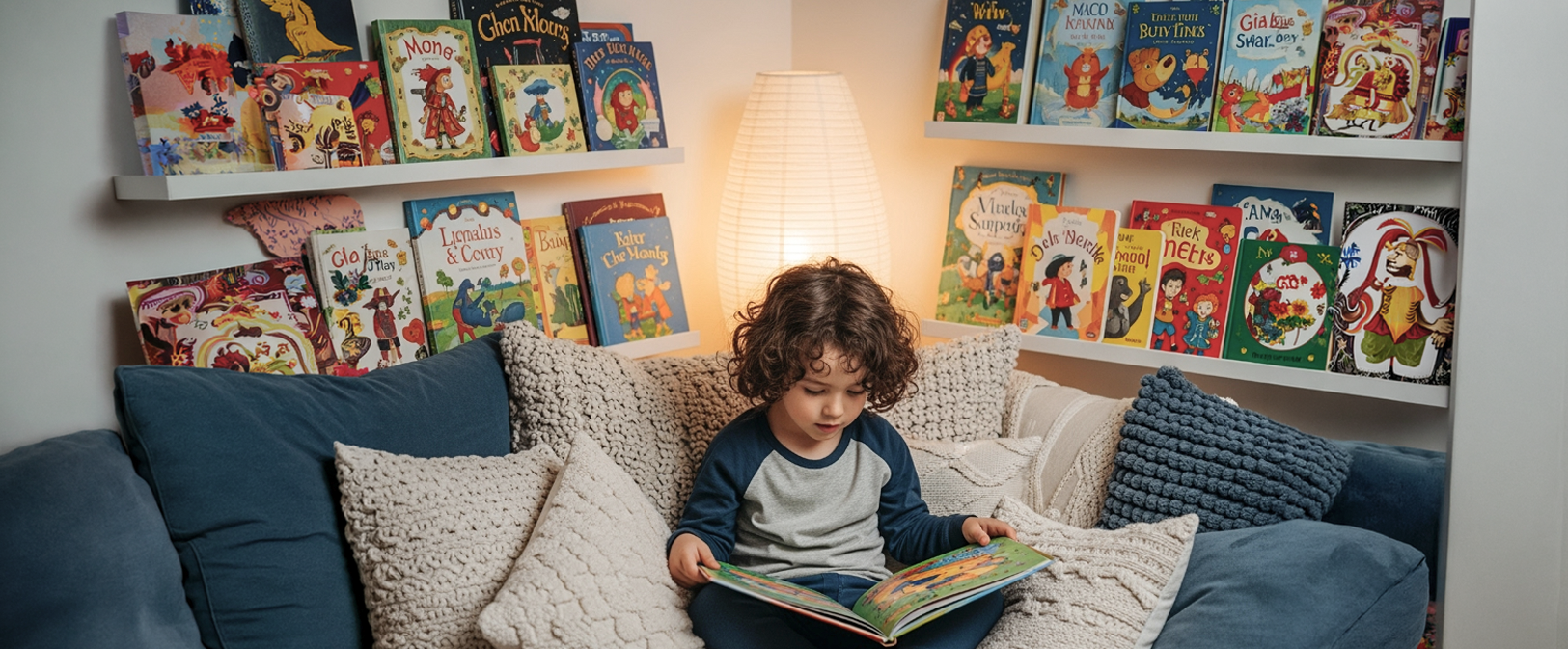
A child’s home library may seem like nothing more than a small space in the home containing a collection of books and materials, but it can be much more: a space to discover the world, build knowledge and skills, and develop a positive relationship with reading from an early age.
A child’s home library does not require a large space or a substantial budget. What matters most is choosing books that suit your child’s age and interests, creating a welcoming reading environment, and making reading a shared part of family life.
Why Does a Child Need a Home Library?
A child’s learning journey begins from the very first days of life. The simple, natural, everyday experiences children share with their parents and caregivers—such as talking, singing, playing, and listening to a bedtime story—help build their development.
A child’s development does not depend on genetics alone. The surrounding environment, the experiences they have, and repeated positive interactions with parents all influence their growth and development. Reading a book with a child, therefore, is not merely a recreational activity; it is an opportunity for interaction, communication, learning, and skill development.
Early reading helps develop language, expand vocabulary, and strengthen phonological awareness. Through children’s stories, children encounter new words and expressions in enjoyable and engaging contexts, helping them understand, remember, and use them.
Stories help develop phonological and linguistic awareness through rhythm, rhyme, and the repetition of sounds and words. For example, when a child hears words such as farḥān, zaʿlān, jūʿān—“happy,” “upset,” and “hungry”—they gradually begin to notice similarities in sounds and syllables. These skills help prepare children for reading.
The benefits of reading are not limited to language development. Shared reading also helps children develop communication and listening skills through eye contact, changes in tone of voice, imitation of movements, asking questions, and discussing the events of a story. When these practices are repeated, story time becomes a daily space for learning and communication between the child and the family.
Surrounding children with books from an early age also helps them develop a positive relationship with reading. Children who see books as a natural part of everyday life and have easy access to them are more likely to explore books independently and gradually develop a reading habit.
How Can You Create a Suitable Home Library for Your Child?
Creating a child’s library does not mean buying a large number of books all at once or designing a large space with expensive shelving. You can begin with what is already available at home and gradually develop the collection according to the child’s age, interests, and needs.
Start by Choosing the Right Books
1. Understand your child’s developmental stage
Being aware of your child’s developmental stage will help you choose books that suit their age and needs. For example, aone-year-old needs interactive books that stimulate the senses, as children at this stage discover the world through touch, hearing, and sight. Suitable choices may include fabric books, books that make sounds such as animal noises, or books with movable parts that allow children to interact and explore.
2. Make use of librarians’ recommended reading lists
You can consult reading lists prepared by librarians, including Qatar National Library’s children’s reading recommendations, and visit public or school libraries or specialist bookshops to find suitable titles. You can also speak with the Children’s Library team at QNL for guidance on books that suit your child’s age and interests.
3. Build a diverse collection.
Aim for diversity in authors, illustrators, publishers, and subject areas. Include fiction, science and informational books, and books on a wide range of topics, so your children can always find something that sparks their curiosity.
4. Learn about the author before choosing a book.
Before choosing a book, consider the author’s experience in children’s literature, the quality of the content, and whether the book is appropriate for your child’s age and interests. You can also seek advice from children’s librarians and other specialists when selecting authors and titles.
5. Give your child an opportunity to choose.
It is also important for children to have the chance to choose some of their own books. Take your child to the library, give them time to explore and choose, and offer guidance without taking over the decision. A book a child chooses independently may be the beginning of a closer and more enjoyable relationship with reading.
Design the Library with Your Child
1. Keep it simple and accessible.
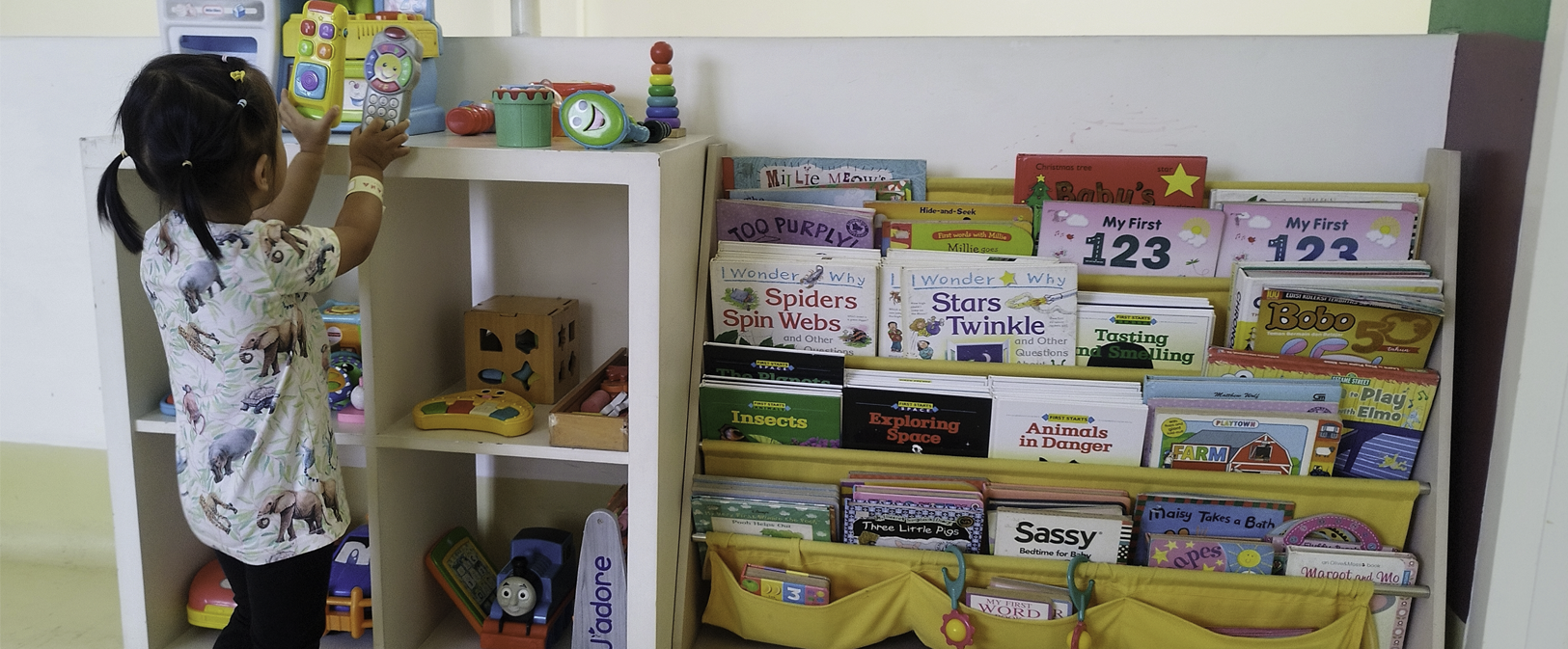
A child’s home library does not require a large space or special equipment. It might consist of a cardboard box, a small wooden box, or a dedicated shelf within the family bookcase. What matters is that the books are visible and easy to reach at a height that allows your child to access and choose them independently.
2. Choose a place your child enjoys.
Select a comfortable place where your child naturally likes to spend time. It might be a quiet corner of the their bedroom or a corner of the living room if they enjoy sharing and interacting with family members.
3. Let your child take part in designing and organizing the space.
Allow your child to help arrange the library so that they feel it belongs to them. Let them organize books in a way that makes sense to them and makes the collection easy to navigate—for example, by creating a special place for favorite books or sorting them by size, color, or topic.
4. Encourage your child to add a personal touch.
They might create a small sign or card with a title such as “Mohammed’s Hero Library.” Small details like these can make the library more appealing, give children a sense of ownership and belonging, and encourage them to care for their space.
5. Add some of your child’s favorite materials and activities.
Include items related to their interests, such as a musical instrument they enjoy playing or art materials like crayons and paper if they like drawing. This helps connect their personal interests with the main purpose of the home library.
6. Remember that borrowed books can also be part of the home library.
Take your child to the public library and let them participate in choosing books. Return them together and borrow new ones so that the home library stays fresh and continues to gives the child opportunities to discover new books.
How Can I Make the Most of My Child’s Home Library?
1. Make reading part of family life.
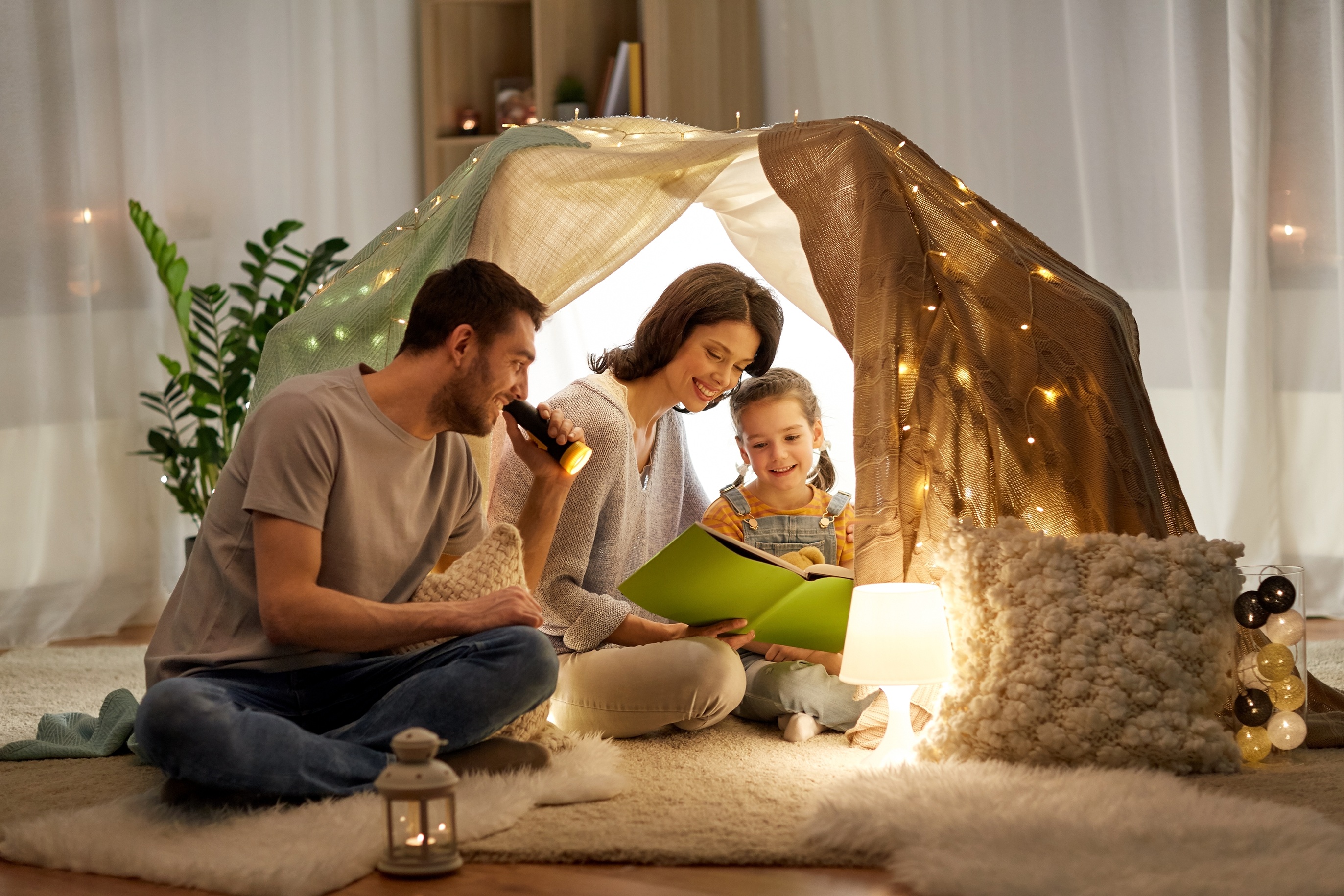
Simply having books is not enough. What matters is making reading a family habit that feels positive and enjoyable. Set aside a daily reading time that fits the family routine, and make sure the child is comfortable and ready to engage rather than tired, unwell, or upset. This helps the child associate reading with comfort, enjoyment, and warmth rather than pressure or obligation.
2. Be a reading role model.
Children naturally learn through imitation and often copy their parents’ everyday behavior. When your child sees you reading a book, magazine, or article, they learn that reading is not only a school task but also an enjoyable and meaningful part of adult life.
3. Learn and practice storytelling strategies.
Developing effective storytelling techniques can help make daily story time more engaging. These strategies can include reading the story beforehand to become familiar with the content, varying your tone of voice, encouraging the child to repeat words or imitate the sounds of characters, discussing the book cover and predicting what might happen, and asking questions during the story to encourage participation.
4. Make story time warm, loving, and safe.
Sit beside your child or hold them while reading, and share quiet, warm moments away from distractions. These simple details can make reading an emotionally positive experience. In your child’s memory, books can become associated with feelings of love, safety, and attention, strengthening their relationship with reading and making them look forward to story time each day.
5. Connect books with your child’s interests and daily activities.
If you read a story about numbers, for example, you can use blocks, toy cars, or other objects to practice counting and matching. If the story is about animals, you can search for more information about them or draw them together. In this way, the library becomes more than a place to store books; it becomes a space for play, learning, and exploration.
6. Refresh the library in simple, low-cost ways.
You can exchange books with family and friends, give books as gifts on special occasions, subscribe to children’s magazines, and make use of offers from libraries and publishers.
7. Encourage your child to visit public and school libraries.
Encourage them to take part in story-reading sessions and book borrowing. These experiences broaden children’s horizons, introduce them to new books and topics, and give them opportunities to interact with a wider community of readers.
A Small Home Library Can Have a Lasting Impact
Building a home library for a child is not about the number of books or the size of the shelves. It is about the message the library communicates. When reading becomes part of everyday family life, children build knowledge, develop their language, expand their vocabulary, strengthen their listening and communication skills, prepare for independent reading, and discover new subjects. Most importantly, they build a positive relationship with books that may stay with them throughout their lives.
So do not wait until you have a large collection of books. Start today with just one book. Give it a small place in your home, sit down with your child, and read it together.
Those simple, warm moments you share around a book may be the first step towards raising a passionate reader—a child who finds in their home library a place for enjoyment, learning, imagination, and discovery.
For families who would like to explore these ideas in more depth, my book in Arabic, "The Child’s Library: Between Enjoyment and Learning – Practical Experiences and Practices", is available to borrow from Qatar National Library. It offers further guidance on children’s developmental stages, choosing suitable reading materials, and creating meaningful reading experiences at home. You can find details of the book through here.
Add new comment